Buy Bitcoin with Credit or Debit Card
Buying BTC by card is a direct way to start an online purchase without using a trading terminal. This page explains how card checkout works, what to check before payment, why verification may be required, how costs affect the final payout and where Bitcoin goes after the order is completed.
Can You Buy BTC with a Credit or Debit Card?
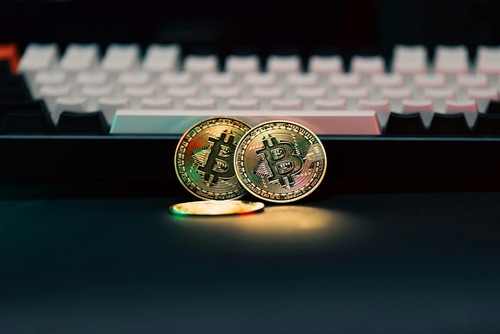
Yes, many crypto exchanges, payment providers and exchange widgets allow users to buy Bitcoin with a credit card or debit card. The card is used as the payment method, while BTC is delivered either to a personal Bitcoin wallet address or to a platform balance, depending on the exchange flow.
Credit and debit card purchases usually follow the same basic process: choose Bitcoin, enter the amount, select card checkout, pass authorization if required, review the quote and confirm the order.
Card availability depends on the exchange, country, card network and issuing bank. Visa and Mastercard are common card networks, but support is not guaranteed everywhere. Some banks approve crypto-related payments, while others may block or decline them under their internal policy.
How Card Checkout Works for a BTC Purchase
A BTC card order works like a standard online checkout, but with extra details to review before payment. The main difference is that the final result is Bitcoin, so the quote, costs and receiving address must be checked carefully.
Select Bitcoin and Enter the Amount
Start by selecting Bitcoin or BTC in the purchase form. Then enter the fiat amount you want to spend. The widget or exchange will usually show an estimated BTC amount based on the current quote.
The estimate can change before payment if the BTC price moves, the exchange rate updates or the provider recalculates costs.
Choose Credit or Debit Card
Select credit card or debit card as the checkout method. The payment form may ask for the cardholder name, card number, expiry date, CVV and billing address.
The payment gateway may also send the transaction through card verification, bank authorization or 3D Secure. These checks help confirm that the cardholder is approving the payment.
Confirm Payment and Receive BTC
Before confirming, review the fiat amount, BTC amount, exchange rate, card fee, network fee and wallet address. If the details are correct, approve the payment and complete the order within the active payment session.
After the payment is accepted, the exchange processes the BTC purchase. The order status or transaction ID can help track whether Bitcoin has been delivered to the wallet or is still waiting for network confirmation.
Credit Card vs Debit Card for Buying Bitcoin
Credit cards and debit cards can both be used for BTC purchases, but they work differently. A credit card uses issuer credit, while a debit card usually pulls money from the available bank account balance.
| Factor | Credit Card | Debit Card |
|---|---|---|
| Source of funds | Issuer credit | Available account balance |
| Approval | Depends on issuer policy and credit limit | Depends on bank balance, bank rules and card limits |
| Possible extra cost | May include cash advance fee or interest | Usually no cash advance fee, but provider and bank costs may still apply |
| Decline risk | Can be blocked by issuer crypto policy | Can be blocked by bank policy or spending limits |
| Best use case | Fast checkout if issuer allows crypto purchases | Direct payment from available funds |
A debit card is tied to available balance, while a credit card depends on issuer credit and card policy. In both cases, daily limits, spending limits and issuer restrictions can stop the purchase.
A credit card can be convenient, but some issuers treat crypto purchases as cash advances, which may add fees, interest or other card-side costs. A debit card is often simpler, but it can still be declined if the bank blocks crypto-related transactions.
Neither option is automatically better in every case. Compare the quote, card-side costs, issuer policy, purchase limit and final BTC payout before payment.
Card Verification, 3D Secure and Approval Checks
Card purchases can include extra security checks before the payment is approved. These checks may come from the exchange, payment gateway, card network or issuing bank.
What 3D Secure Means
3D Secure, often called 3DS, is an additional verification step for online card payments. It may ask the cardholder to confirm the transaction through a bank app, one-time code, SMS, security prompt or another bank-approved method.
If 3D Secure is required and the card does not support it, the checkout may fail before the BTC order is completed.
When Verification May Be Required
A provider may request identity verification before or during a Bitcoin card purchase. This can depend on the purchase amount, country, payment method, risk checks or platform rules.
Verification does not always mean the payment will be slow, but it can add an extra step before the order is processed.
Why Card Approval Can Take Longer
A card transaction may take longer when the issuer reviews the payment, the gateway checks risk signals or the exchange waits for verification. Some banks may also place a temporary authorization hold while the payment is reviewed.
The Bitcoin network can also affect delivery time after the card payment is approved. This is why "instant Bitcoin purchase" should be understood carefully: card checkout can be fast, but approval, verification and network confirmation can still create delays.
Why a Card Payment May Fail
A card payment can fail even if the user entered the correct details. The decline may come from the bank, card issuer, payment gateway or exchange rules.
Common reasons include:
- insufficient funds or available balance
- daily card limit or spending limit exceeded
- issuer blocks crypto-related purchases
- billing address mismatch
- cardholder name mismatch
- incorrect card number, CVV or expiry date
- unsupported 3D Secure
- anti-fraud check
- temporary authorization hold
- unsupported card type
- country or region restriction
- expired payment session
- repeated failed purchase attempts
If the payment is declined, check the entered details, available balance, spending limit and bank policy. In some cases, the card issuer must approve crypto-related payments before the transaction can be completed.
Fees to Check When Buying BTC with Card
A card-based BTC purchase can include several cost parts. Some costs come from the card side of the transaction, while others come from the crypto purchase and BTC transfer.
Before paying, compare the fiat amount, exchange rate, estimated BTC amount and final payout. The lowest visible card fee does not always mean the best final BTC amount.
Is a Bitcoin Card Purchase Instant?
A card-based BTC purchase can be quick, but instant delivery is not guaranteed. A payment may be approved quickly, while BTC delivery can still depend on provider processing, verification checks and Bitcoin network confirmation.
There are three separate timing stages:
- payment approval — the card issuer approves or declines the transaction;
- provider processing — the purchase provider creates and sends the BTC order;
- network confirmation — the Bitcoin network confirms the transfer.
If the provider needs extra verification, the issuer reviews the payment, the payment session expires or the network is busy, delivery can take longer. The order status and transaction ID can help track the purchase after payment.

Where BTC Goes After a Card Purchase
After a card purchase, BTC can be delivered to a personal wallet address or held in a platform balance. The exact delivery method depends on the provider and order setup.
If the order uses an external wallet, the user enters a BTC receiving address before confirming payment. The provider sends Bitcoin to that address after the purchase is processed.
If the provider uses a platform balance, BTC may appear inside the user account first. This is a custodial setup, where the platform holds the funds for the user until they withdraw or transfer them.
A self-custody wallet gives the user direct control of the private keys. When using self-custody, the destination address must be copied carefully because Bitcoin transfers are usually irreversible after confirmation.
Safety Checklist Before Paying by Card
Before paying for Bitcoin with a credit or debit card, review the details that can affect payment safety and BTC delivery.
Check the following:
- provider URL and checkout page
- BTC amount and fiat amount
- exchange rate and final payout
- card fee, provider fee and network fee
- receiving wallet address
- active payment session and quote expiration time
- whether the 3D Secure or bank prompt is legitimate
- whether the payment method matches your cardholder details
- refund or support conditions
- order status page or transaction tracking option
- account security and 2FA if available
Do not share your seed phrase, recovery phrase or private key with any provider, support agent or payment page. A legitimate card checkout does not need wallet recovery details to process a BTC purchase.
Card Availability by Country
Card availability can vary by country. A payment method that works in one region may not work in another because of provider rules, issuer policies, local currency support, verification requirements or payment restrictions.
The general card purchase flow is similar everywhere: choose BTC, enter the amount, select credit or debit card, review the quote, confirm payment and receive Bitcoin. The local details may differ.